
Immediate and Urgent Care
Use the buttons below to locate the nearest immediate/urgent care center to schedule a walk-in appointment or a virtual appointment from your home.
About immediate and urgent care at Loyola
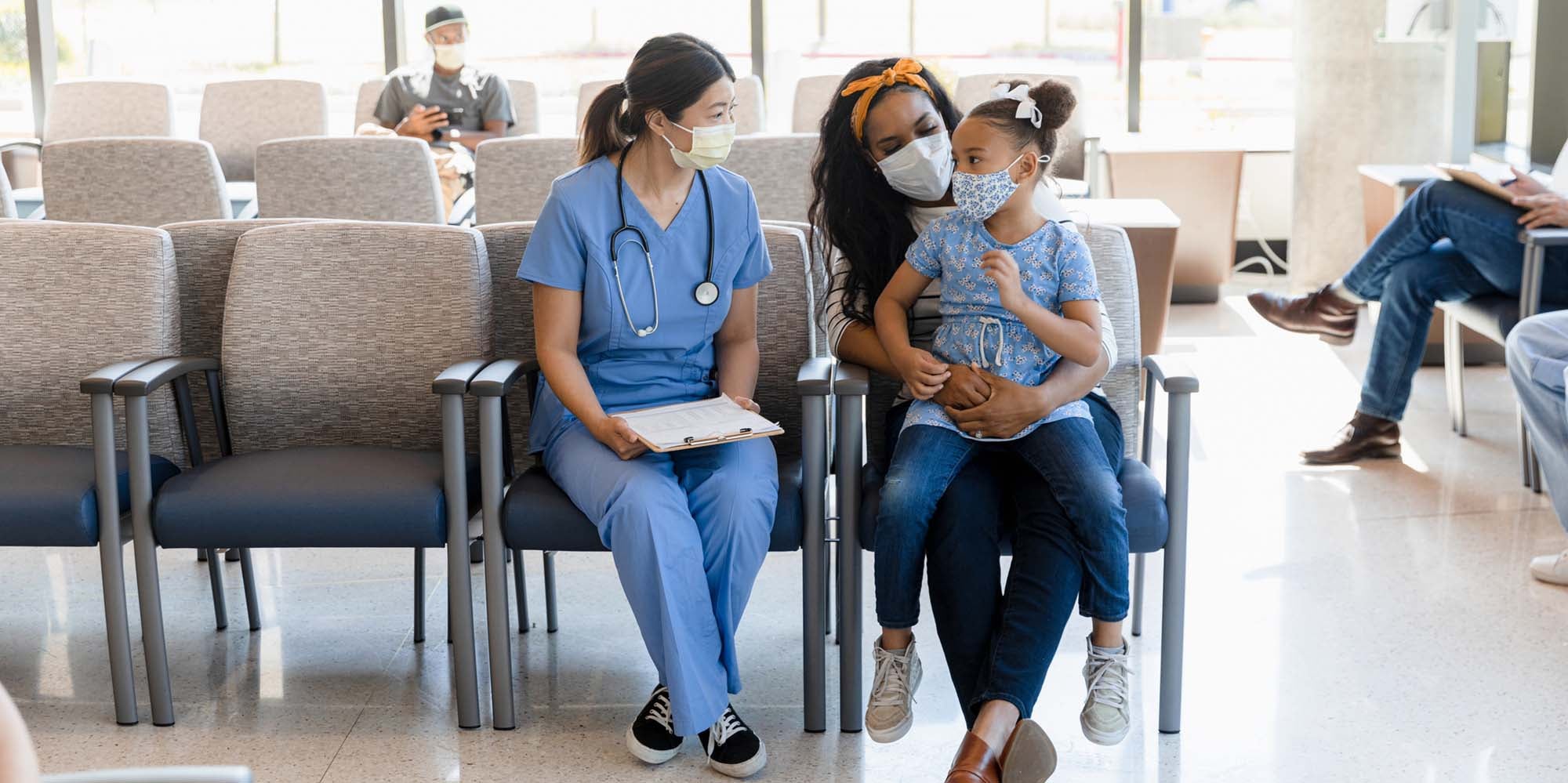
When you need to be treated quickly but have a non-life-threatening or non-urgent condition, immediate care is a great alternative to receive fast care.
Loyola Medicine’s immediate and urgent care offers prompt medical attention for adults and children on a walk-in basis at three convenient locations—no appointment necessary.
More reasons to choose immediate care:
- A visit to the emergency room can take longer and be more expensive than a visit to immediate care.
- Your primary care doctor is not available right away.
- Care is provided year-round, and the cost is similar to that of an appointment with your primary care doctor.
Immediate care video visits
Virtual visits are also available. For more information on how to receive quality care today in as little as 20 minutes, please click Immediate Care Virtual Visits.
Video visit availability
- Monday through Friday: 8 am - 7 pm
- Saturday: 9 am - 1 pm
- Christmas Eve and New Year's Eve: 8 am - 1 pm
Note: Virtual visits are not offered Thanksgiving Day, Christmas Day or New Years Day.
Loyola's immediate and urgent care locations
- Monday through Friday: 8 am – 8 pm (last registration at 7:45 pm)
- Weekends and holidays: 8 am – 3 pm (last registration at 2:45 pm)
- Thanksgiving and Christmas Day: Closed
Note: If arriving within an hour of close, we ask that you please call to check wait times before coming in.
Conditions treated at Loyola's immediate and urgent care locations
Loyola offers services include care for the following conditions:
- Animal/insect bites
- Cold and flu symptoms
- Cough
- Earaches/Ear infection
- Fever
- Fractures
- Infections
- Lower back pain
- Minor asthma attacks
- Minor bruises/sprains
- Minor burns (including sunburns)
- Minor cuts and lacerations
- Pink eye
- Rash/skin irritation
- Sinus infection/sinus problems
- Sore throat
- Sports physicals
- Stitches
- Superficial foreign objects
- Urine symptoms, may include burning or frequent urination
Tests and diagnosis at Loyola's immediate and urgent care locations
Diagnostic tests provided at Loyola's immediate care locations:
- Blood sugar test
- Electrocardiogram (EKG)
- Flu shots and tetanus boosters
- Pregnancy test
- Strep test
- Urine tests

Find a Loyola Medicine immediate care near you
Use MyChart to locate the nearest immediate or urgent care center, view appointment times and let us know when you'll be arriving.
Find care nowImmediate and Urgent Care Locations

Immediate Care
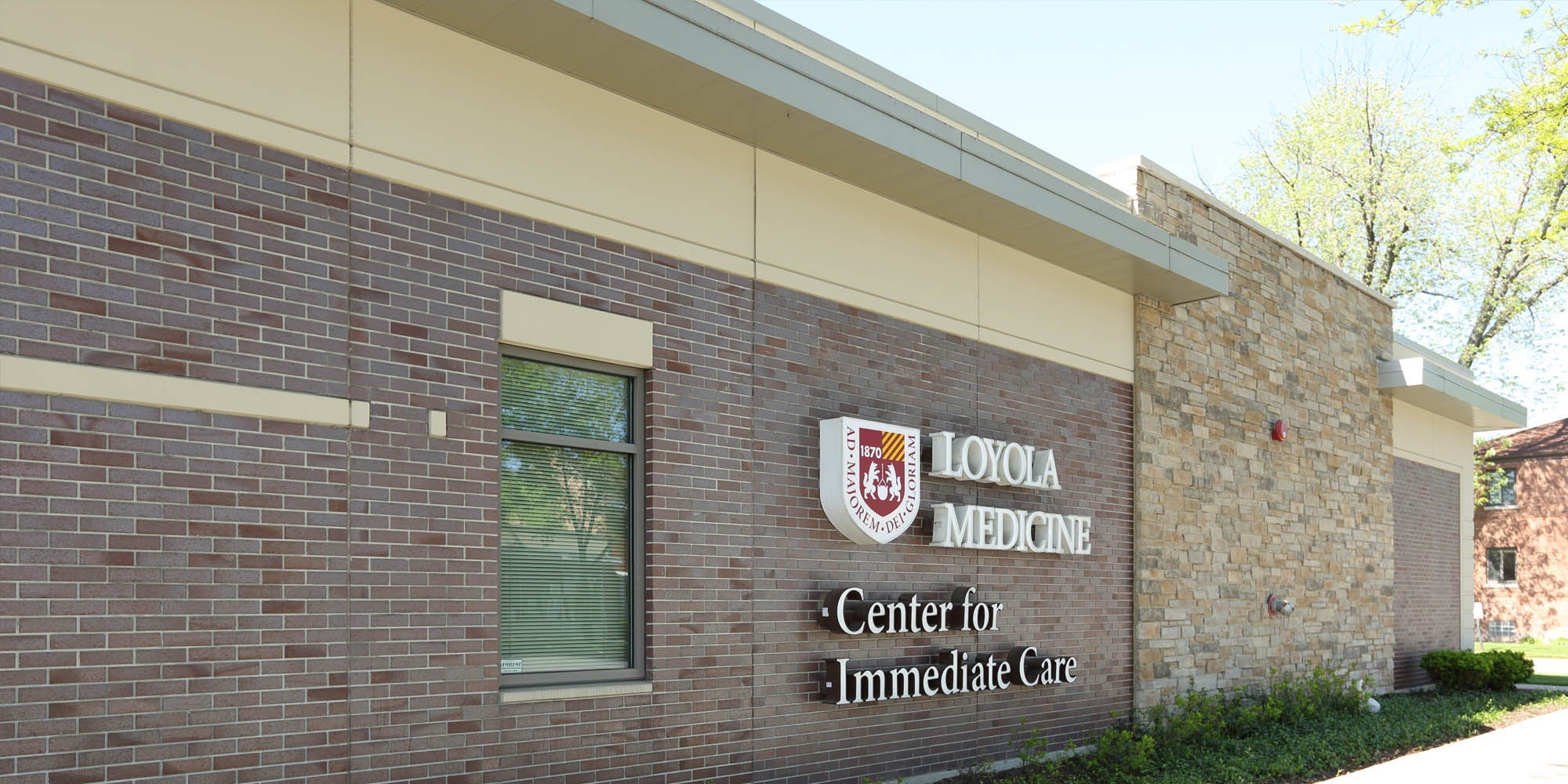
Loyola Medicine Immediate Care Burr Ridge
6800 N Frontage Rd First Floor - Burr Ridge, IL 60527

Loyola Medicine Tinley Park
17901 La Grange Road - Tinley Park, IL 60487
Office
Loyola Medicine Immediate Care River Forest
7617 W North Ave First Floor - River Forest, IL 60305
Frequently asked questions
It can sometimes be confusing to know whether an illness or injury is severe enough to go to the emergency room or visit an immediate care center. However, there are rules you can follow to find the best care, either from Loyola immediate care locations or the nearest emergency room.
If your condition is something you would typically address with your primary care doctor, but they're not available right away, an immediate care center is likely the right choice. Common reasons include cold and flu symptoms, ear or sinus infections, or other non-life-threatening illnesses. If the condition is serious, appears life threatening, or requires urgent medical attention, you should go to the nearest emergency room.
Determining whether a trip to the emergency room is warranted depends on the severity of the illness or injury. If the health concern could result in death, permanent injury or long-term disability then it is considered an emergency.
Signs of a medical emergency can vary depending on the illness or injury. However, four key warning signs include:
- Bleeding that does not stop
- Breathing difficulties, like shortness of breath
- Sudden changes in mental status, such as confusion
- Fainting or loss of consciousness
Not all symptoms are cause for concern. However, there are warning signs that may mean a medical emergency is taking place and should never be ignored. These include:
- Chest pain
- Flashes of light or vision changes
- High or persistent fever
- Sudden confusion or personality changes
- Sudden or severe abdominal pain
- Sudden severe headache
- Sudden shortness of breath
- Swelling in the legs
- Unexplained weight loss
- Unusual bleeding
Videos
Book an Immediate Care Video Visit and Be Seen Today
Emergency Department vs. Immediate Care
Loyola Medicine Burr Ridge Overview